
Common Causes Of Pressure System Failures And How A Safety Relief Valve Prevents Them
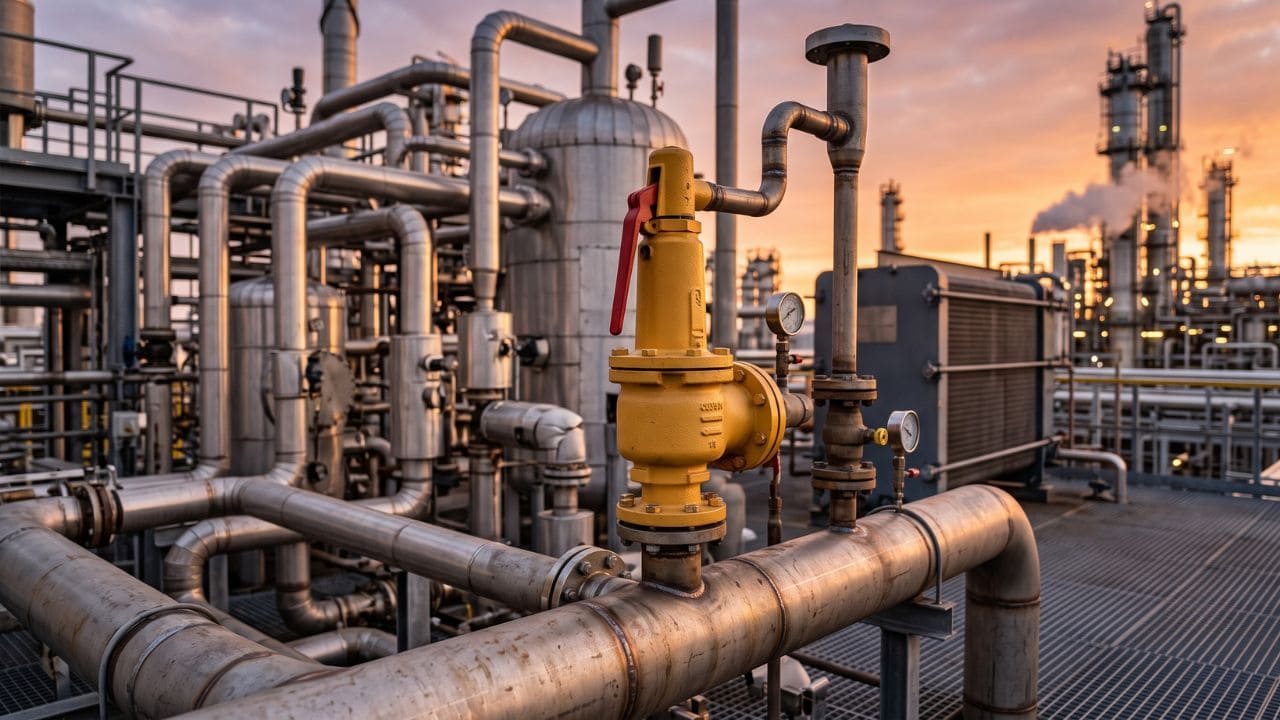
In a perfect engineering world, automated process loops would adjust instantly to any change, control valves would never stick, and heat exchangers would transfer thermal energy without sudden spikes. But out on the plant floor, reality is much less predictable. Power grids fluctuate,cooling water pumps lose suction, and operators occasionally make mistakes.
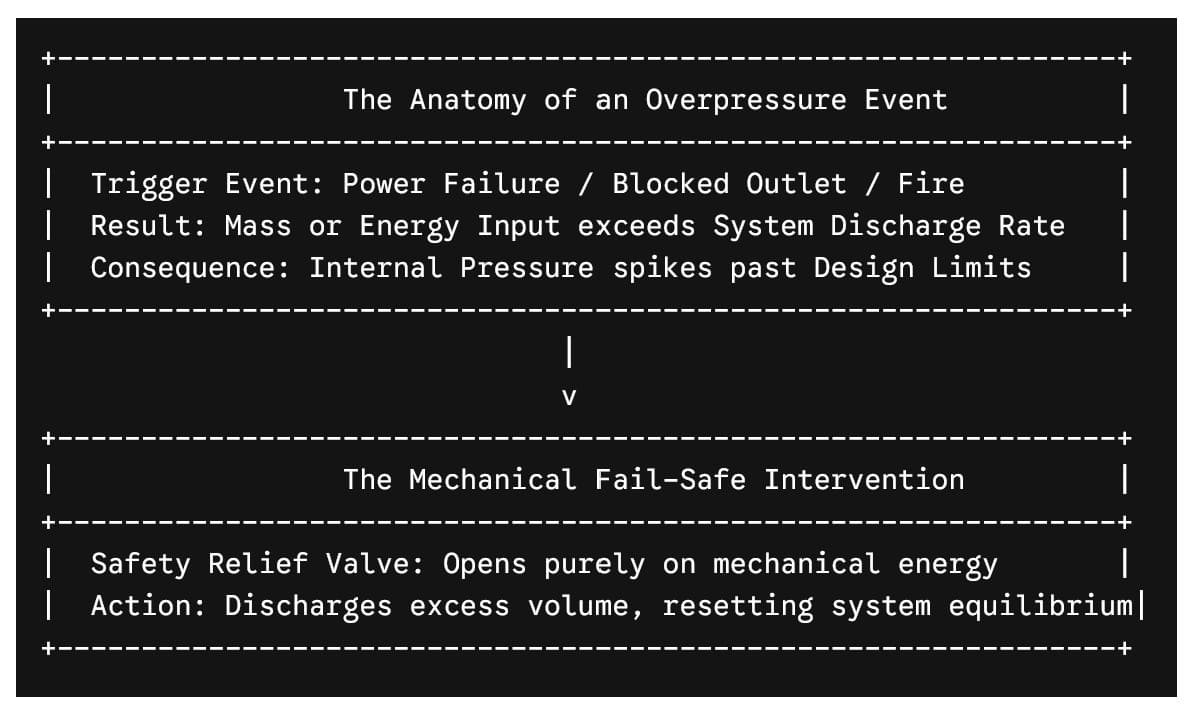
When an upset occurs, pressure can build inside a distillation column or boiler drum within seconds. If left unchecked, this over pressure will rapidly exceed the mechanical design limits of the vessel,risking catastrophic wall rupture, equipment destruction, and severe personnel hazards. To mitigate this risk, heavy industries across European countries utilize a critical mechanical fail-safe: the Safety Relief Valve (SRV).
Unlike digital control systems that depend on sensor networks and electrical power, an SRV is a purely self-contained, mechanical device designed to open reliably under the physical force of the process pressure itself. It serves as the ultimate line of defense for industrial safety.
The Primary Roots of Over pressure in Process Networks
Before looking at how a valve functions, it is essential to trace the operational failures that generate dangerous pressure spikes. Industrial systems are balances of mass and energy; if you add mass or heat faster than you remove it, internal pressure rises.
1. Blocked Outlets and Valve Misalignments
One of the most common causes of over pressure is a blocked discharge line downstream. If a positive displacement pump continues running while an isolation valve is closed further down the line, pressure rises exponentially. Without an open escape route, the liquid or gas column acts as a hydraulic ram against the vessel walls.
2. Utility Failure (Power, Cooling Water, or Instrument Air)
A sudden loss of electrical power or cooling water across a chemical processing site can instantly disable a plant's primary cooling systems. In a distillation column, losing cooling water stops the condensation of overhead vapors. As heat remains in the reboiler, vapor generation continues unchecked, causing the pressure to climb rapidly.
3. Thermal Expansion and External Fire
When liquids are trapped between closed isolation valves in a piping segment, ambient heat or solar radiation can cause the liquid to expand. Because liquids are virtually incompressible, thermal expansion can warp pipe seals and crack flanges. Far more severe is an external plant fire. The intense radiant heat boils trapped hydrocarbons or liquids, driving up vapor pressures beyond what standard construction materials can withstand.
How Safety Valves Intervene Mechanically
When a system transitions into an over pressure state, the SRV uses the energy of the process fluid to reset equilibrium.
Spring-Loaded vs. Pilot-Operated Mechanisms
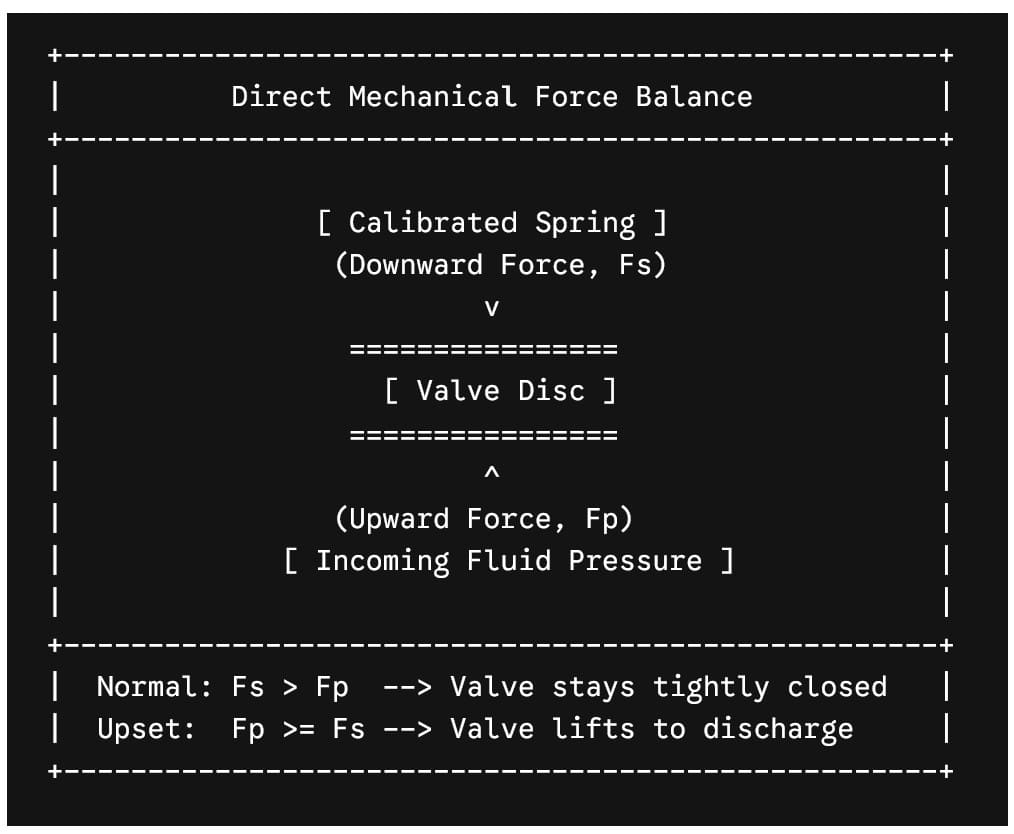
The standard industrial workhorse is the direct spring-loaded valve. An internal spring applies a precise, downward closing force onto a disc, holding it tightly against the nozzle seat. The tension on this spring is calibrated to match the system’s specific "set pressure."
As long as the process operating pressure remains below this threshold, the valve stays tightly closed. If the pressure rises to the set point, the upward force on the disc overcomes the spring force, causing the disc to lift and vent the fluid.
For high-capacity, high-pressure environments - such as gas transmission pipelines or large petrochemical headers a Safety Relief Valve Manufacturer in Europe will often recommend a pilot-operated design instead.
Instead of a heavy steel spring, a pilot-operated valve uses process pressure piped to a small pilot control mechanism to hold the main piston down. This design provides incredibly tight shutoff right up to the set point and functions reliably even under high variable back pressure.
Engineering Specifications for Major Process Industries
Different industries present unique chemical and physical challenges that demand highly specific valve configurations.
Oil & Gas and Petrochemical Plants
These facilities deal with volatile, explosive, and often toxic hydrocarbon streams. Valves must withstand corrosion from hydrogen sulfide (H_2 S) and operate reliably across extreme ambient ranges, from cold North Sea offshore platforms in Norway to heated inland facilities. Balanced bellows are frequently specified here to isolate the spring and internal guides from corrosive process gases while balancing out the effects of variable back pressure in the flare header system.
Power Generation and Steam Boilers
Power plants in Germany and the UK require heavy-duty safety valves designed specifically for high-temperature steam service. These valves must feature open bonnets to allow heat to dissipate away from the spring, preventing thermal fatigue from altering the valve's set pressure over time.
Chemical Processing Operations
Handling aggressive acids or highly reactive media in places like Spain, France, and the Netherlands requires strict material traceability. Valves often utilize specialized alloys like Duplex stainless steel, Hastelloy, or Monel, coupled with internal linings to guarantee the valve components will not dissolve or lock up over years of service.
Compliance and Quality Assurance in European Projects
Specifying safety equipment within the European continent requires absolute adherence to local and international legal standards.
The Pressure Equipment Directive (PED) 2014/68/EU
Any pressure relief device deployed in EU countries must fulfill the legal mandates of the PED. This means a Safety Relief Valve Supplier in Europe must subject their designs, manufacturing paths, and testing procedures to strict verification by an independent Notified Body before stamping the equipment with the CE mark.
Sizing and Design Frameworks (EN ISO 4126 & ASME)
Engineers must verify that safety valve sizing formulas comply with either EN ISO 4126 (the harmonized European standard) or ASME Section VIII design codes. These standards dictate exact parameters for calculating discharge capacities, over pressure allowances, and blow down settings, ensuring the physical valve installed can discharge mass quickly enough to protect the plant.
Frequently Asked Questions
What is the difference between set pressure and over pressure?
Set pressure is the predetermined pressure at which a safety valve is calibrated to start opening. Over pressure is the pressure increase above this set point required to force the valve into a full-lift position, typically ranging from 3% to 10% depending on the applicable design code.
What is valve blow down and why does it matter?
Blow down is the difference between the set pressure and the actual pressure where the valve completely reseats after discharging. If a valve opens at 10 bar, it might not close until the pressure drops back down to 9.3 bar. This 7% blow down prevents the valve from rapidly opening and closing ("chattering"), which would damage the finely lapped sealing seats.
Can a safety valve be mounted horizontally?
As a general rule, industrial safety relief valves should always be installed vertically with the spring bonnet pointing straight up. Mounting a valve horizontally introduces gravity-induced friction along the stem and guide surfaces, which can distort the set pressure and prevent the disc from reseating cleanly.
How do I protect a safety valve from highly corrosive process media?
For extremely aggressive fluids, engineers often install a rupture disc device upstream of the safety valve inlet. The rupture disc acts as a corrosion-proof isolation barrier under normal operation. If an over pressure event occurs, the disc bursts instantly, allowing the safety valve to handle the pressure wave and reseat securely once the system stabilizes.
Conclusion
Industrial safety is only as reliable as its final mechanical link. While digital sensors and emergency shutdown valves provide excellent primary layers of protection, they remain vulnerable to power losses and signal errors. Partnering with a dedicated Safety Relief Valve Manufacturer in Europe ensures that your process vessels are backed by robust mechanical fail-safes designed to function when everything else fails. Prioritizing correct material selection, detailed sizing calculations, and full PED compliance keeps your European industrial projects operating safely and efficiently.
Secure Your High-Pressure Systems with Bliss Europe
Protecting your personnel and assets requires engineered valve solutions built for the most severe service environments. Bliss Europe manufactures a robust line of PED and ASME-certified Safety Relief Valves, Plug Valves, and Magnetic Level Gauges tailored precisely to your operating parameters.